

Returning to sport: how can you make the resolution last?
Keen to get (back) into sport? To stick with it, follow the advice of the professionals at Mounier Health & Sports Care.
How to make your return to sport last
Spring is gradually arriving, and the first rays of sunshine may bring the desire to start exercising again. To keep going and enjoy it, follow the advice of the professionals at Mounier Health & Sports Care.
Many of us have a turbulent love-hate relationship with sport. It keeps us fit, lets us expend energy and helps us escape, but it also means effort and aching muscles. This time, the aim is to take only the positives and return to sport in a healthy, sustainable way. I asked Nathan François, mental coach, and Maxence Toussaint, sports doctor, for their advice on getting started in the best possible way.
Nathan’s advice
1. Find a goal that matters to you and motivates you.
Ask yourself: “Why am I returning to sport?” It may be to improve your health, relax, reduce stress or simply feel better. Identifying what truly matters will give meaning to your effort and help you continue when it becomes difficult.
2. Create a routine that fits your life.
Does exercising five hours a week make sense when your diary is already full? Start gradually with something realistic that suits your current work, family and activity schedule. Once you have achieved regularity, you can progressively increase the pace.
3. Put enjoyment first.
Some people enjoy the effort itself; others prefer training with a friend or listening to a good podcast. Find what makes you smile while you exercise.
4. Celebrate every success.
During or after physical activity, congratulate yourself. Your brain needs that reward. Even when an achievement seems small, every step counts and deserves encouragement. This releases dopamine, the “pleasure molecule”, bringing satisfaction and the desire to begin again. You are your own best supporter. Let’s go!
5. Accept that difficulty is normal.
There will inevitably be harder moments when motivation disappears beneath a pile of excuses. Prepare for them and do not blame yourself for lacking enthusiasm. Remember why you exercise and that consistency will bring results. No effort is too small.
Maxence’s advice
1. Listen to your body.
To avoid injury when returning to sport, begin gently and gradually increase the intensity and duration of your training. Do not try to regain your former level immediately: your body needs time to adapt and avoid overload.
Establish a warm-up routine before every session, including mobility and core exercises, and respect recovery periods between activities. The risk of injury rises when workload and the number of weekly sessions increase.
Developing physical ability also depends on the technical and energy demands of each sport. Training should therefore reflect both the discipline and your personal goals. A physical trainer can help you build the right programme.
2. Make hydration a priority.
Good hydration is essential during exercise. A hydrated athlete can sustain performance longer than someone who is dehydrated. Drink before, during and after training, mainly water at 10–15°C, with 150–200 ml every 15–20 minutes. Larger quantities at once may cause abdominal discomfort. Carbohydrates can be added depending on the effort. For sessions under 90 minutes, extra salt is normally unnecessary unless exercising in hot, humid conditions, when approximately 1 g per litre of water may be appropriate. After exercise, the recommendation is to drink one and a half times the weight lost.
An athlete’s diet must meet the nutritional needs created by physical activity. A balanced and varied diet normally provides everything required, while deficiencies can reduce performance. Conversely, supplements above the recommended intake do not improve health or performance. Many products are ineffective, so be wary of claims about performance, muscle gain or recovery. Only a qualified nutrition professional should assess an athlete’s diet and recommend a supplement when necessary.
In conclusion
The essential message from both professionals is to listen to yourself and care for your physical and mental health. Choose a sport that means something to you, return to physical activity at your own pace, be proud of your progress, and support your training with suitable hydration and nutrition. Above all, do not hesitate to seek support from a friend, coach or sports-health professional. A little help can make a real difference. See you at Mounier Health & Sports Care?
Spring is gradually arriving, and the urge to get (back) into sport can come with the first rays of sunshine. But to stick with it and enjoy it, follow the advice of the professionals at Mounier Health & Sports Care.
More news
Continue with the latest news from Mounier Sports Centre.
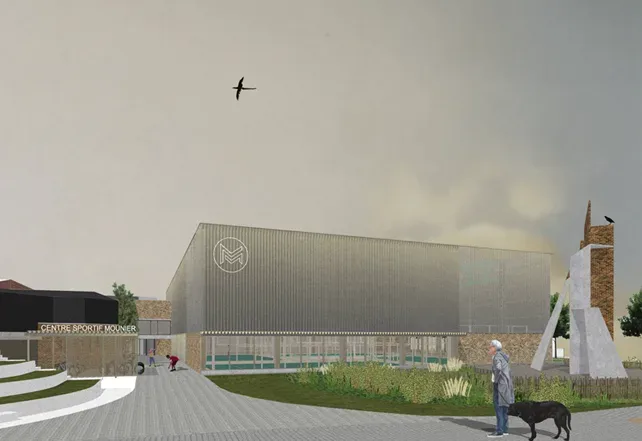
SETTING COURSE FOR THE FUTURE OF SPORT IN BRUSSELS
SETTING COURSE FOR THE FUTURE OF SPORT IN BRUSSELS Expansion of the padel club and the climbing hall Brussels, 15 April 2024 – As an event bringing together the world's best players takes place this 20 April at Tour & Taxis
Read article
Getting in and out of Mounier
Getting in and out of Mounier This way! Oh no, that way! September, the month of the return to school and sport. While you had taken a well-deserved break this summer, you are now finding it a little
Read article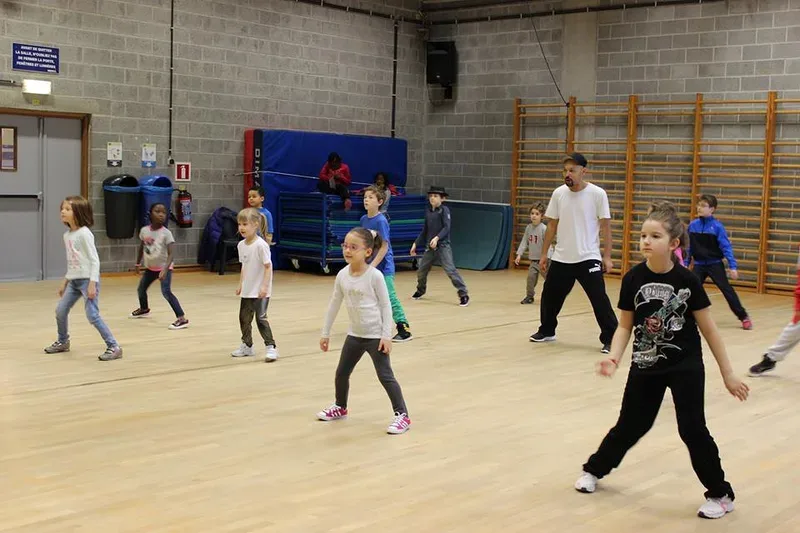
The benefits of Hip-Hop for children
The benefits of Hip-Hop for children Learning to let go, build self-confidence and develop creativity is what Saho teaches young people in his Hip-Hop classes. Very popular and accessible,
Read article